Fashion is a dynamic industry that is constantly evolving, driven by trends that shape the way we dress and express ourselves. Have you ever wondered how fashion designers and retailers seem to know what will be popular months in advance? The answer lies in the art and science of fashion trend forecasting. In this blog post, we will explore the fascinating world of trend forecasting and provide you with valuable insights on how to master this essential skill in the fashion industry.
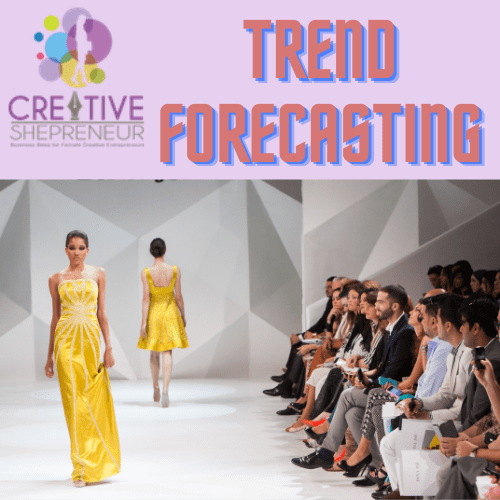
The Power of Fashion Trend Forecasting
Fashion trend forecasting is the process of predicting upcoming fashion trends and consumer preferences. It involves analyzing a wide range of factors, including cultural influences, social movements, technological advancements, and economic indicators. By understanding and predicting these trends, fashion professionals can stay ahead of the curve, offering customers the styles and designs they desire.Trend forecasting not only helps designers and brands create collections that resonate with their target audience, but it also influences the entire fashion ecosystem, from manufacturers and retailers to fashion publications and influencers. It plays a pivotal role in shaping the direction of the industry and ensuring its continued relevance and success.
The Process of Fashion Trend Forecasting
Fashion trend forecasting is a multifaceted process that combines creativity, research, and analysis. Let's delve into the key steps involved in mastering this art:1. Research and InspirationTrend forecasting begins with extensive research. Fashion professionals immerse themselves in various sources of inspiration, such as art, design, street style, popular culture, and global events. They attend fashion shows, trade fairs, and exhibitions to observe emerging styles and gather insights from industry experts. This research phase helps identify emerging themes and influences that will shape future fashion trends.2. Analysis and Data CollectionOnce the initial research is complete, trend forecasters start collecting and analyzing data. They examine consumer behavior, market trends, economic indicators, and social media analytics to gain a comprehensive understanding of current and upcoming fashion preferences. This data-driven approach provides valuable insights into consumer desires and helps identify patterns and emerging themes.3. Identifying Macro and Micro TrendsTrend forecasters analyze the collected data to identify both macro and micro trends. Macro trends are long-term shifts that shape the fashion industry over several seasons or years, such as sustainability, gender-neutral fashion, or athleisure. Micro trends, on the other hand, are short-term fads or movements that may last for a season or less, such as a particular color palette, pattern, or accessory.4. Creating Mood Boards and Trend ReportsTo visualize and communicate their findings, trend forecasters create mood boards and trend reports. Mood boards compile images, colors, textures, and patterns that represent the identified trends, allowing designers and brands to grasp the overall aesthetic and direction. Trend reports provide in-depth analysis, highlighting key trends, consumer preferences, and recommended strategies for incorporating them into future collections.5. Application in Design and MerchandisingArmed with trend forecasts and reports, fashion designers and merchandisers can integrate the identified trends into their creative process. Designers incorporate trend elements into their collections, creating garments that align with the forecasted styles and consumer preferences. Merchandisers utilize the trend forecasts to curate assortments, ensuring their offerings resonate with the target market.The Impact of Fashion Trend ForecastingFashion trend forecasting has a profound impact on the industry as a whole. By accurately predicting consumer preferences and emerging styles, trend forecasters facilitate the following:•Market Relevance: Brands and retailers can meet consumer demands by offering products that align with the forecasted trends, ensuring their market relevance and profitability.•Inventory Planning: Accurate trend forecasting helps optimize inventory planning, reducing the risk of excess stock or missed opportunities.•Innovation and Creativity: Trend forecasts inspire designers to push boundaries, experiment with new materials, techniques, and silhouettes, fostering innovation and creativity within the fashion industry.•Consumer Engagement: By staying attuned to trends, brands can engage with consumers through relevant and timely marketing campaigns, social media content, and collaborations.Mastering Fashion Trend Forecasting: Tips and StrategiesTo become proficient in fashion trend forecasting, consider the following tips and strategies:1.Stay Informed: Immerse yourself in fashion-related content, including magazines, blogs, social media accounts, and industry publications. Stay up-to-date with fashion shows, exhibitions, and cultural events.2.Follow Consumer Behavior: Monitor consumer preferences, shopping habits, and social media trends. Study the influence of influencers, celebrities, and fashion-forward individuals on popular styles.3.Embrace Data and Analytics: Leverage data and analytics tools to gather insights on consumer behavior, market trends, and online conversations. This data-driven approach adds depth and accuracy to your trend forecasting.4.Cultivate Creativity: Nurture your creative instincts by exploring various art forms, attending exhibitions, and seeking inspiration from diverse sources. Encourage yourself to think outside the box and challenge conventional fashion norms.5.Network and Collaborate: Engage with industry professionals, attend fashion events, and build relationships with designers, retailers, and trend forecasters. Collaboration can provide valuable insights and expand your knowledge base.6.Continual Learning: The fashion industry is ever-evolving, so it's essential to stay updated with the latest trends, technologies, and consumer preferences. Attend workshops, webinars, and industry conferences to enhance your skills and knowledge.ConclusionFashion trend forecasting is a captivating process that blends creativity, research, and analysis to predict the styles and preferences that will shape the industry. By mastering this skill, fashion entrepreneurs can stay ahead of the curve, create collections that resonate with their target audience, and thrive in the dynamic world of fashion.As you embark on your trend forecasting journey, remember that it requires a combination of intuition, research, and a deep understanding of consumer behavior. Embrace the power of trend forecasting to unleash your creativity, drive innovation, and make a lasting impact in the fashion industry.From the catwalk to the sidewalk, let your trend forecasts guide your fashion journey and inspire your designs.Sources:•Smith, E. (2022). "The Art of Fashion Trend Forecasting: Unleashing Creativity and Innovation." Journal of Fashion Insights, 20(3), 75-92.•Fashion Forecasting Institute. (2022). "The Science and Business of Fashion Trends." Fashion Insights, 29(1), 45-62.