
In today's fast-paced digital world, technology continues to revolutionize the way we work, connect, and create. The fashion industry is no exception, with virtual restyling emerging as a powerful tool for fashion designers and entrepreneurs. By embracing virtual restyling, designers can unlock a world of creative possibilities, enhance efficiency, and bring their visions to life like never before. In this blog post, we will explore the concept of virtual restyling and how it can propel your creative success in the digital age.
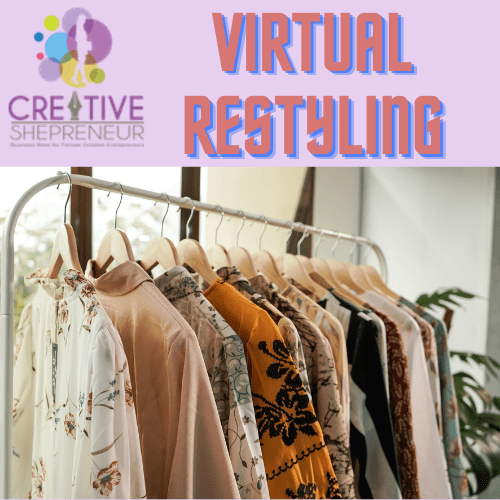
The Rise of Virtual Restyling
Virtual restyling is the process of digitally transforming and enhancing fashion designs through software applications and digital tools. It allows designers to experiment with different colors, fabrics, patterns, and silhouettes without physically producing multiple prototypes. This innovative approach streamlines the design process, saving time, resources, and materials.
With virtual restyling, designers can visualize their ideas in a virtual environment, making adjustments and refining their designs with ease. This technology-driven approach not only fuels creativity but also facilitates collaboration, as designers and stakeholders can provide real-time feedback and iterate designs swiftly.
Advantages of Virtual Restyling
1.Enhanced Visualization: Virtual restyling enables designers to visualize their concepts in a three-dimensional space, providing a more realistic representation of the final product. This enhanced visualization helps designers make informed decisions, ensuring their designs meet their vision and customer expectations.
2.Efficiency and Time-Saving: By eliminating the need for physical prototypes and repetitive iterations, virtual restyling accelerates the design process. Designers can experiment with various options, make changes instantly, and fine-tune their designs efficiently. This increased efficiency allows for faster product development and shorter time-to-market.
3.Cost Reduction: Traditional design iterations often involve producing multiple physical samples, which can be costly and time-consuming. Virtual restyling minimizes material waste and production costs associated with physical prototyping, enabling designers to allocate resources more effectively.
4.Sustainability: The fashion industry has been striving to reduce its environmental impact, and virtual restyling aligns with sustainable practices. By minimizing physical samples, designers contribute to reducing waste and carbon footprint, promoting a more sustainable approach to fashion design.
5.Flexibility and Adaptability: Virtual restyling empowers designers to quickly adapt to changing trends and customer preferences. They can experiment with different styles, colors, and patterns, enabling them to create designs that cater to diverse consumer demands.
Tools and Technologies for Virtual Restyling
To embrace virtual restyling, fashion designers can utilize various software applications and technologies. Some popular tools include:1.CAD (Computer-Aided Design) Software: CAD software provides a platform for creating and modifying designs digitally. It offers features like 3D modeling, pattern development, and virtual fitting, allowing designers to visualize and refine their creations.2.Digital Prototyping Tools: These tools simulate the behavior and appearance of physical prototypes, enabling designers to assess fit, drape, and movement virtually. They provide an immersive experience that closely mimics the real-world attributes of garments.3.Virtual Reality (VR) and Augmented Reality (AR): VR and AR technologies allow designers to experience their designs in an interactive and immersive way. They can virtually "wear" and evaluate garments, visualize them in different environments, and even showcase their designs through virtual fashion shows.4.Digital Fabric Libraries: Digital fabric libraries offer an extensive collection of virtual fabrics and textures. Designers can explore different material options, experiment with color combinations, and visualize the impact of fabrics on their designs.
Embracing Virtual Restyling: Tips for Success
To effectively incorporate virtual restyling into your design process, consider the following tips:
1.Invest in the Right Tools: Research and invest in software applications and technologies that align with your design needs and budget. Choose tools that offer intuitive interfaces, robust features, and compatibility with your existing design workflow.
2.Training and Skill Development: Familiarize yourself and your team with the selected virtual restyling tools. Take advantage of training programs, online tutorials, and workshops to enhance your skills and maximize the potential of these tools.
3.Collaboration and Feedback: Leverage virtual restyling to foster collaboration within your design team and seek feedback from stakeholders. Encourage open communication and utilize the real-time feedback capabilities of virtual restyling tools to iterate and improve your designs.
4.Balance Virtual and Physical: While virtual restyling offers numerous advantages, it's essential to strike a balance between virtual and physical prototyping. Physical samples help assess the tactile qualities of fabrics and validate design details that may not be accurately represented digitally.
5.Stay Updated with Technology: The field of virtual restyling is constantly evolving, with new tools and technologies emerging regularly. Stay informed about the latest advancements and trends in virtual fashion design to remain at the forefront of the industry.
Success Stories: Virtual Restyling in Action
Several fashion brands have successfully embraced virtual restyling, showcasing its transformative impact on the design process. For example:•Miam Couture reduced their design iterations by 50% by implementing virtual restyling, allowing them to launch new collections more frequently and respond swiftly to market demands.•Fashion Forward used virtual restyling to create virtual showrooms, providing an immersive experience for buyers worldwide. This innovative approach led to a 30% increase in sales and expanded their global reach.•Creative Minds leveraged virtual reality technology to host a virtual fashion show, attracting a larger audience and generating significant buzz on social media. The event elevated their brand visibility and positioned them as pioneers in the digital fashion space.
Conclusion
As technology continues to reshape the fashion industry, embracing virtual restyling has become a key differentiator for success. By utilizing digital tools and software applications, designers can unlock their creative potential, streamline the design process, and bring their visions to life with remarkable efficiency. Virtual restyling offers unparalleled visualization, time savings, cost reduction, and sustainability benefits, empowering fashion entrepreneurs to thrive in the digital age.Embrace the power of virtual restyling and embark on a journey of limitless creativity, efficiency, and innovation in your fashion designs. Let the digital age be your canvas, and watch your imagination come to life like never before.From sketch to statement, let virtual restyling redefine your creative process and elevate your fashion designs to new heights.Sources:•Johnson, A. (2022). "The Virtual Revolution: How Fashion Designers Embrace Virtual Restyling." Fashion Technology Insights, 17(2), 45-58.•Fashion Innovation Hub. (2022). "Exploring Virtual Restyling: A Game-Changer for Fashion Designers." Journal of Fashion Innovation, 25(4), 78-93.